 Premium content is for our Digital-only and Premium subscribers. A Print-only subscription doesn't qualify. Please
No-Till Farmer
Get full access NOW to the most comprehensive, powerful and easy-to-use online resource for no-tillage practices. Just one good idea will pay for your subscription hundreds of times over.
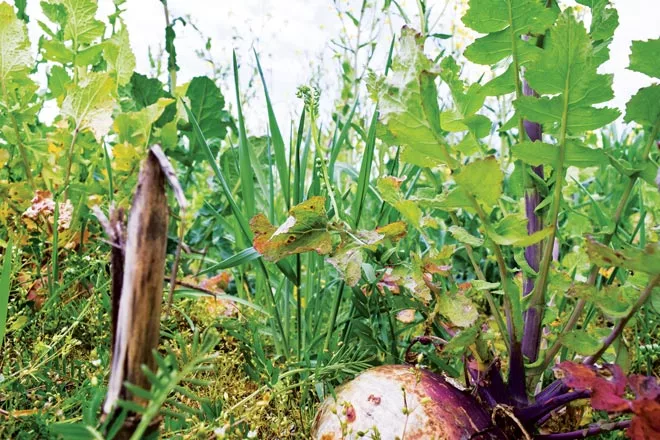
While choosing the right cover crop, or mix of covers, for a farm can be a challenge, there’s also an art to terminating covers that don’t winterkill with the right products at the right time.
Taught to stay out of fields when they’re too wet, no-tillers can face a real dilemma during heavy spring rains. Last May, much of the southern Midwest had 20 or more inches of rain, with parts of Illinois seeing 12-13 inches alone last April.
Letting cover crops grow too much and reach maturity can cause issues, even if a no-tiller’s stated goal is building biomass, says retired University of Illinois Extension agronomist Mike Plumer.
“You need to be able to terminate when you want to terminate,” Plumer said during the 25th annual National No-Tillage Conference in St. Louis earlier this year. “But rather than having a hard core plan on how you’re going to manage your cover crops, try to be a little bit flexible.”
One key to improving termination results is to understand how cover crops grow and uptake the herbicide.
Ideally, no-tillers should target termination for when cover crops are in the vegetative stage and actively growing, so the systemic herbicides are taken up efficiently. For example, this means killing grasses before…

Get full access NOW to the most comprehensive, powerful and easy-to-use online resource for no-tillage practices. Just one good idea will pay for your subscription hundreds of times over.
Download these helpful knowledge building tools

We have engineered and developed the most advanced concave system that threshes all crops, eliminates rotor loss, improves grain quality, gives you a cleaner sample – all with one set of XPR concaves.

At Titan International, our product portfolio reflects our commitment to innovation and high-quality products. Titan International offers a full line of solution-focused wheel, tire, and undercarriage products for a wide variety of off-the-road equipment in agriculture, construction, forestry, mining, power sports, high-speed trailers, and outdoor power equipment segments. As one of the largest North American manufacturers, with a network of dealers all over the world, Titan is an industry leader that original equipment manufacturers and operators can count on for durable products and quality service.

Provide expert analysis and decision support to increase productivity and profitability.