No-Till Farmer
Get full access NOW to the most comprehensive, powerful and easy-to-use online resource for no-tillage practices. Just one good idea will pay for your subscription hundreds of times over.

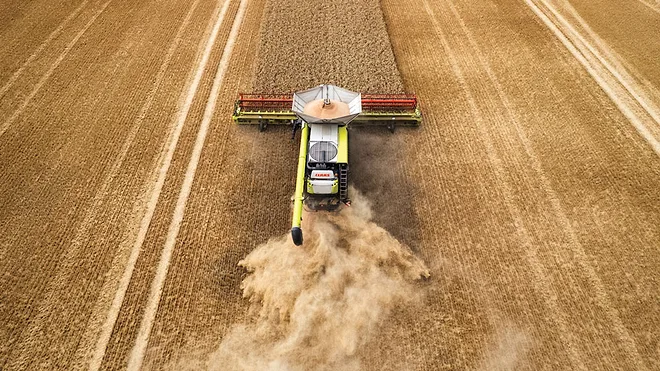
Attention to combine calibration, cutting components & concave setup pays off in more clean grain in the tank & more dollars in the bank
Download these helpful knowledge building tools
Start with these information-packed articles hand-picked by our editors:
Get full access NOW to the most comprehensive, powerful and easy-to-use online resource for no-tillage practices. Just one good idea will pay for your subscription hundreds of times over.
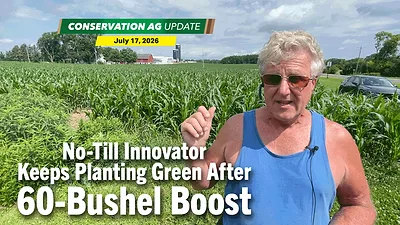
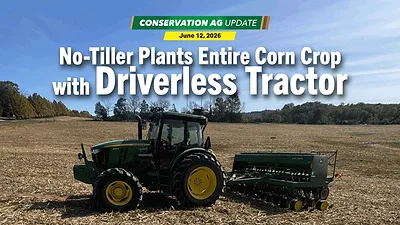
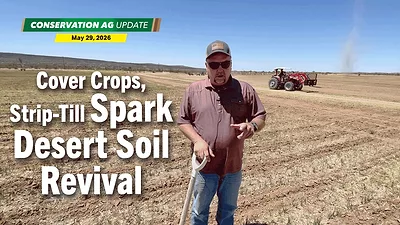
On this episode of Conservation Ag Update, brought to you by Titan International, we catch up with young Kentucky no-tiller Quint Pottinger to see how he autonomously planted his entire crop in 2026. Senior editor John Dobberstein checks in from the CTIC Conservation in Action Tour in Scotland Neck, N.C., where no-tiller Zeb Winslow III talks about his multi-species cover crop program.
This article is an excerpt from Ukrainian no-tiller Mykhailo Drahanchuk's book "No-Till for Beginners." Getting Started With No-Till Farming is brought to you by Calmer Corn Heads.
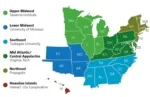
The Nature Conservancy (TNC) and partners today announced the launch of the Expanding Agroforestry Project (EAP), an effort to help U.S. farmers strengthen their operations, diversify revenue, and improve land health.
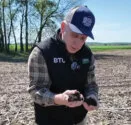
This article is an excerpt from Ukrainian no-tiller Mykhaylo Draganchuk's book No-Till for Beginners. Getting Started with No-Till Farming is supported by Calmer Corn Heads.

This article is an excerpt from Ukrainian no-tiller Mykhailo Drahanchuk's book "No-Till for Beginners." Getting Started with No-Till Farming is supported by Calmer Corn Heads.
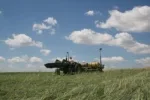
This past weekend as I was helping my friend weed her small flower garden, I reflected on the many hours of my life I have spent pulling weeds.

Last week’s Durnell decision and executive order on regenerative ag are a sign there is a glaring need to change the status quo if we are to strengthen farm resilience, and everyone needs to be on board.

Whether it’s healthier soil, reduced inputs or lower fuel & labor costs, identifying goals provides some structure & direction for your no-till operation

Carbon Robotics machines update global systems each time they go to the field, boosting data in the machine-learning library which currently holds images of 150 million plants
Check out our extensive archive of free webinar replays! Be the first to find out about upcoming events by clicking here to join our email newsletter.

We have engineered and developed the most advanced concave system that threshes all crops, eliminates rotor loss, improves grain quality, gives you a cleaner sample – all with one set of XPR concaves.

At Titan International, our product portfolio reflects our commitment to innovation and high-quality products. Titan International offers a full line of solution-focused wheel, tire, and undercarriage products for a wide variety of off-the-road equipment in agriculture, construction, forestry, mining, power sports, high-speed trailers, and outdoor power equipment segments. As one of the largest North American manufacturers, with a network of dealers all over the world, Titan is an industry leader that original equipment manufacturers and operators can count on for durable products and quality service.

Provide expert analysis and decision support to increase productivity and profitability.

Neudorff North America is an innovative leader in ecologically responsible products for agriculture, turf and ornamental growers. From organic farming to large-scale conventional crop production, Neudorff provides high-efficacy, low-risk plant protection products. Closely integrated field personnel and a leading-edge research team allow Neudorff North America to develop effective, affordable solutions for insect, mollusc, and invasive weed and fungus species, while limiting impact on applicators and the environment..

Check out our new job platform designed to connect dealers, manufacturers, and agribusinesses with top talent—while showcasing premier job opportunities for those looking to build a career in agriculture.
Want to list a job posting? Learn more here.
Check out the latest strip-tillage innovations from some of the industry's leading suppliers.
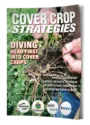
For a "one-stop-shop" resource to find authoritative, objective cover crop management information that you won’t find anywhere else, order Cover Crop Strategies Volume 7 — Diving Head First Into Cover Crops.

Share this report with your landowner(s) to start and support the discussion of "why no-till?" Become a farm tenant of choice by helping educate your landowner on the advantages of no-till, cover crops and carbon sequestration that will protect their precious soils for decades to come.

With more data than ever to sift through, a single article just isn’t enough to get the job done anymore. That’s why we decided to encapsulate the results into a 16-page special report, with “color commentary” from record breaking no-tillers that share the tips that helped them more than double the reported U.S. average no-till soybean yield.

This report gives you easy access to nationwide benchmarking data so you can see exactly how your farm stacks up against your peers. You’ll gain insights gathered over 16 years of tracking no-till practices, including how leading growers are adopting new technology and adapting to today’s challenges, all in one comprehensive 16-page report.