Getting Started With No-Till Farming

epub_Mykhailo-Drahanchuks-book-No-Till-for-Beginners_800x800_webp.webp
Getting Started With No-Till Farming

More Tips for Switching to No-Till

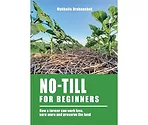
This article is an excerpt from Ukrainian no-tiller Mykhailo Drahanchuk's book "No-Till for Beginners"

This article is an excerpt from Ukrainian no-tiller Mykhailo Drahanchuk's book "No-Till for Beginners." Getting Started with No-Till Farming is supported by Calmer Corn Heads.


Read More
Mykhailo-Drahanchuk's-book-No-Till-for-Beginners.jpg
Getting Started With No-Till Farming

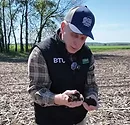
How to Transition to No-Till

This article is an excerpt from Ukrainian no-tiller Mykhailo Drahanchuk's book "No-Till for Beginners"

This article is an excerpt from Ukrainian no-tiller Mykhailo Drahanchuk's book "No-Till for Beginners." Getting Started with No-Till Farming is supported by Calmer Corn Heads.


Read More
Check-seed-depth-during-planting.jpg
Getting Started With No-Till Farming

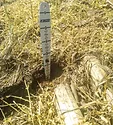
Downforce & Down Pressure Tips

A planter or drill’s ability to cut through tough residue, penetrate the soil & maintain consistent depth across a field relies on a properly managed downforce system to provide downward pressure on independent row units

A planter or drill’s ability to cut through tough residue, penetrate the soil & maintain consistent depth across a field relies on a properly managed downforce system to provide downward pressure on independent row units. Getting Started with No-Till Farming is supported by Calmer Corn Heads.


Read More
Grazing-Cover-Crops.jpg
Getting Started With No-Till Farming

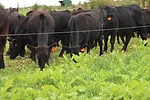
Grazing Cover Crops

Most cover crops can double as a high-quality forage for livestock during early spring or late fall; integrating livestock into crop systems accelerates soil health improvements

Most cover crops can double as a high-quality forage for livestock during early spring or late fall; integrating livestock into crop systems accelerates soil health improvements. Getting Started with No-Till Farming is supported by Calmer Corn Heads.


Read More
Cover-crops-row-spacing.jpg
Getting Started With No-Till Farming

Cover Crop Application Tips — Intercrops, Alternating Crops & Row Spacing

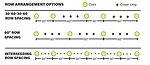
Cover crops are grown between 60-inch corn rows during the summer. When the corn is harvested, strips of cover crops remain to protect the soil during the winter.
Cover crops are grown between 60-inch corn rows during the summer. When the corn is harvested, strips of cover crops remain to protect the soil during the winter. Getting Started with No-Till Farming is supported by Calmer Corn Heads.
Read More
prevent-plant-covers.jpg
Getting Started With No-Till Farming

Tips for Managing Herbicide Carry Over with Cover Crops

Some herbicides remain in the soil for months after application, so no-tillers must pay attention when selecting seeds & assessing for potential herbicide damage.
Some herbicides will remain in the soil for months after application; these residual herbicides can significantly harm subsequent cover crop stands.

Getting Started with No-Till Farming is supported by Calmer Corn Heads.


Read More

Top Articles

Current Issue

NTF-July-2026_BookWithPages_Curl_art-link.png

No-Till Farmer

Get full access NOW to the most comprehensive, powerful and easy-to-use online resource for no-tillage practices. Just one good idea will pay for your subscription hundreds of times over.

Subscribe Now

View More

Must Read Free Eguides

Download these helpful knowledge building tools
View More
Top Directory Listings