 Premium content is for our Digital-only and Premium subscribers. A Print-only subscription doesn't qualify. Please
No-Till Farmer
Get full access NOW to the most comprehensive, powerful and easy-to-use online resource for no-tillage practices. Just one good idea will pay for your subscription hundreds of times over.

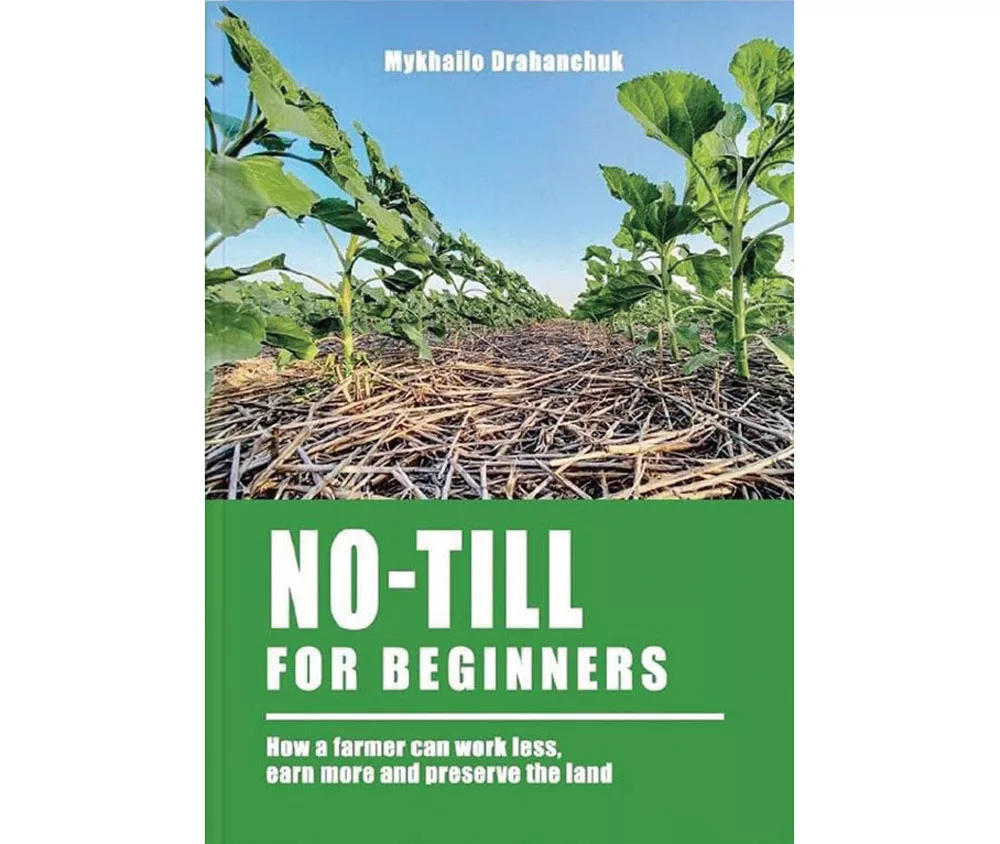
The book contains 4 chapters and 125 pages of practical info to help growers transition to no-till successfully.
The only reason for minimum soil tillage before conversion to no-till may be undulated fields.
Despite numerous tillage operations, the conventional fields may still be uneven.
Uneven field is very difficult to work on for any tool, such as a drill, a sprayer and a combine. This is not only the cause of poor-quality seeding or harvest but also challenging for an operator working in a cab.
How do I determine, whether a field requires leveling.
After harvest, try to drive a car parallel to its sides and diagonally. Another good option would be to do the same on a sprayer with its booms in working position.
After these driving experiences, you'll immediately understand whether your fields require leveling.
There can be several challenging plots on a field, such as undulations remaining after ridges collapse. If this is the case, you don't need to level the whole field. You can just address these challenging plots.
If you have stones in fields, which can damage the machinery, proceed to collect them (at least the biggest ones) from the very beginning. You'll return to collect more stones which you might have missed or those that surfaced again.
In order to convert to no-till you need to have implements capable of seeding into an untilled soil. Some farmers purchase their machines, some rent them and some use self-made drills. It's up to every individual farmer and depends on their capabilities
Let's address all options: Each seeder will have its…
Get full access NOW to the most comprehensive, powerful and easy-to-use online resource for no-tillage practices. Just one good idea will pay for your subscription hundreds of times over.
Download these helpful knowledge building tools

We have engineered and developed the most advanced concave system that threshes all crops, eliminates rotor loss, improves grain quality, gives you a cleaner sample – all with one set of XPR concaves.

At Titan International, our product portfolio reflects our commitment to innovation and high-quality products. Titan International offers a full line of solution-focused wheel, tire, and undercarriage products for a wide variety of off-the-road equipment in agriculture, construction, forestry, mining, power sports, high-speed trailers, and outdoor power equipment segments. As one of the largest North American manufacturers, with a network of dealers all over the world, Titan is an industry leader that original equipment manufacturers and operators can count on for durable products and quality service.

Provide expert analysis and decision support to increase productivity and profitability.