The Importance of Downforce
It is essential to find the right balance of pressure to provide adequate seed-to-soil contact, but without causing over-compaction.
If too little downforce is applied, planting depth can vary and seed-to-soil contact may not be adequate.
Excessive downforce, particularly in wet conditions, causes soil compaction and sidewall smear.
Factors that Impact Downforce
Field variability, soil types, farming practices and soil moisture levels all impact how much pressure should be used in a particular area of a field. The amount of downforce required will vary from field to field and day to day.
Factors that increase the amount of downforce necessary include:
- Dull opening blade
- Dull coulter
- Compact soil
- Dry soil
- Too many soil-engaging components on the row units
- Too many row units on the implement (drills commonly have difficulty applying adequate down force.)
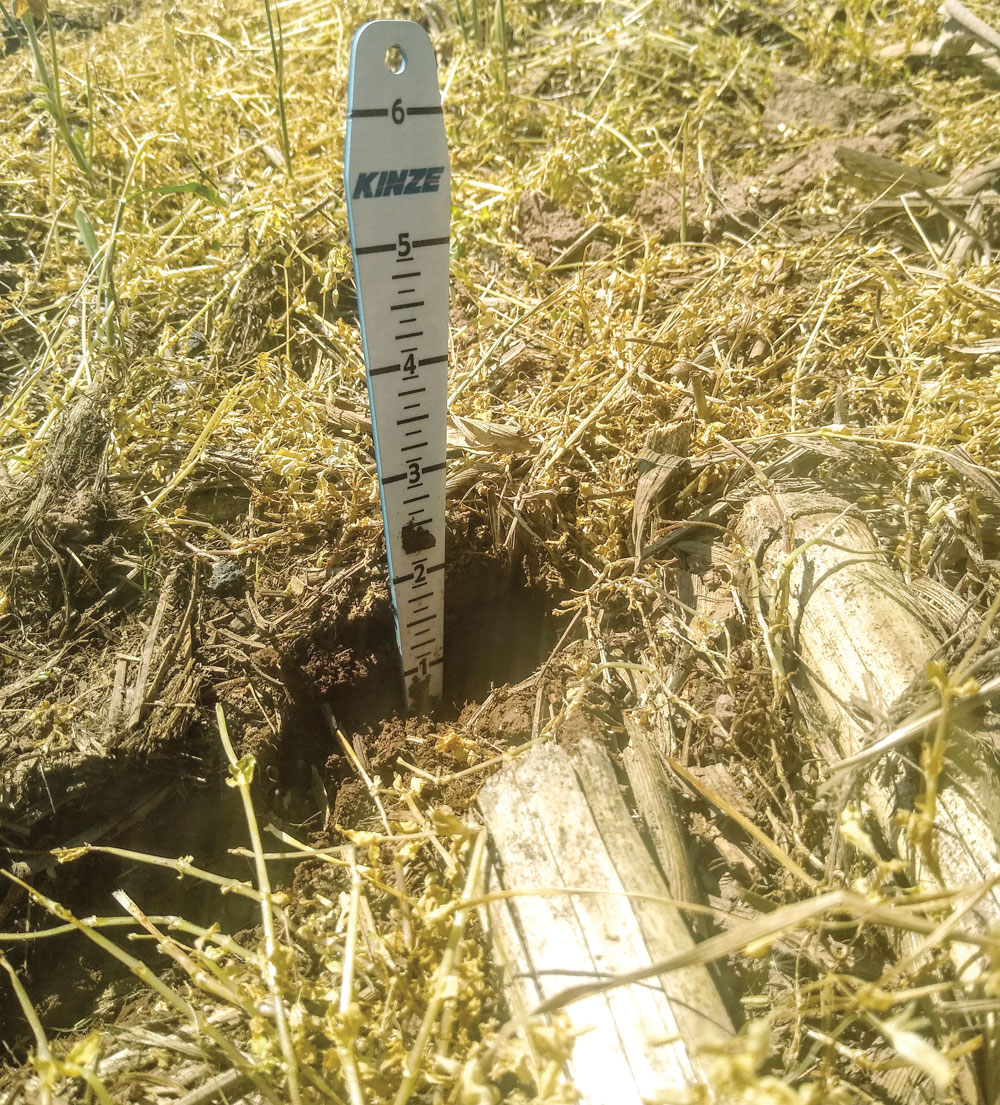
How do you know if downforce is correct?
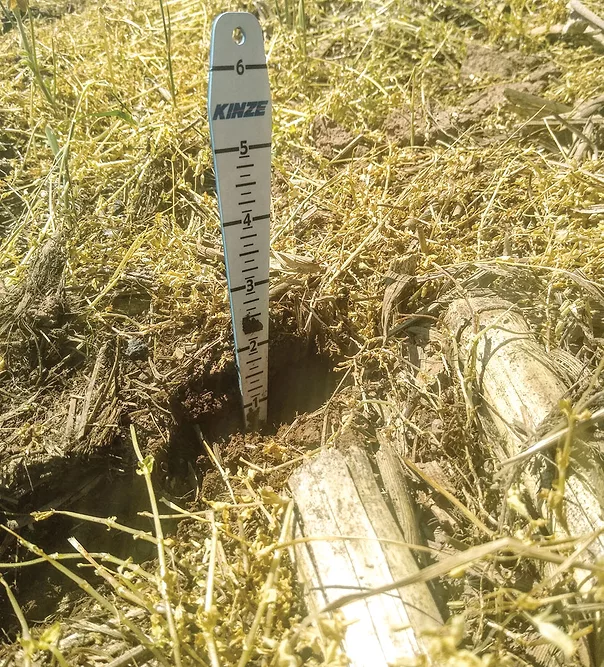
Check seed depth frequently! Check seed depth during planting in areas with drier, harder soil and wetter, softer soil. If the seed depth between the two soil conditions are different, your drill or planter may not be capable of applying sufficient downforce to penetrate the soil.
More Downforce without Investing in a New System
Add Weight
Many planters will need extra ballast on the toolbar to transfer enough force onto the row units. Consider filling insecticide hoppers on the planter that you’re not using with sand for more weight. Alternatively, you can add iron suitcase weights or water drums to the frame or individual row units.
Remove or Adjust Coulters
Coulters, especially wide and wavy coulters, require a lot of downpressure to penetrate the soil. More pressure can be made available to the opening disks to penetrate soil by removing or switching coulters.
Replace Opening Disks
Sharper, newer opening disks will penetrate the soil easier than dull worn, opening disks.
Rates
Spring-based downforce systems can be set to apply a range of downforce pressure within set increments. By comparison, pneumatic and hydraulic downforce systems offer infinitely adjustable downforce from 0-500 pounds.
Control & Adjustment
Springs are manually controlled and adjusted based on planting situation and periodic seed depth checks. As conditions within the field change, operators will need to manually adjust down pressure at each row unit. With pneumatic air bags and active hydraulic systems, a compressor can be mounted in the tractor cab for automatic on-the-go adjustment.
Downforce Systems
Downforce systems can only redistribute the planter or drill weight; when the unit weight is insufficient, the springs may physically lift the metered drill wheel off the ground.
3 Ways to Apply Downpressure
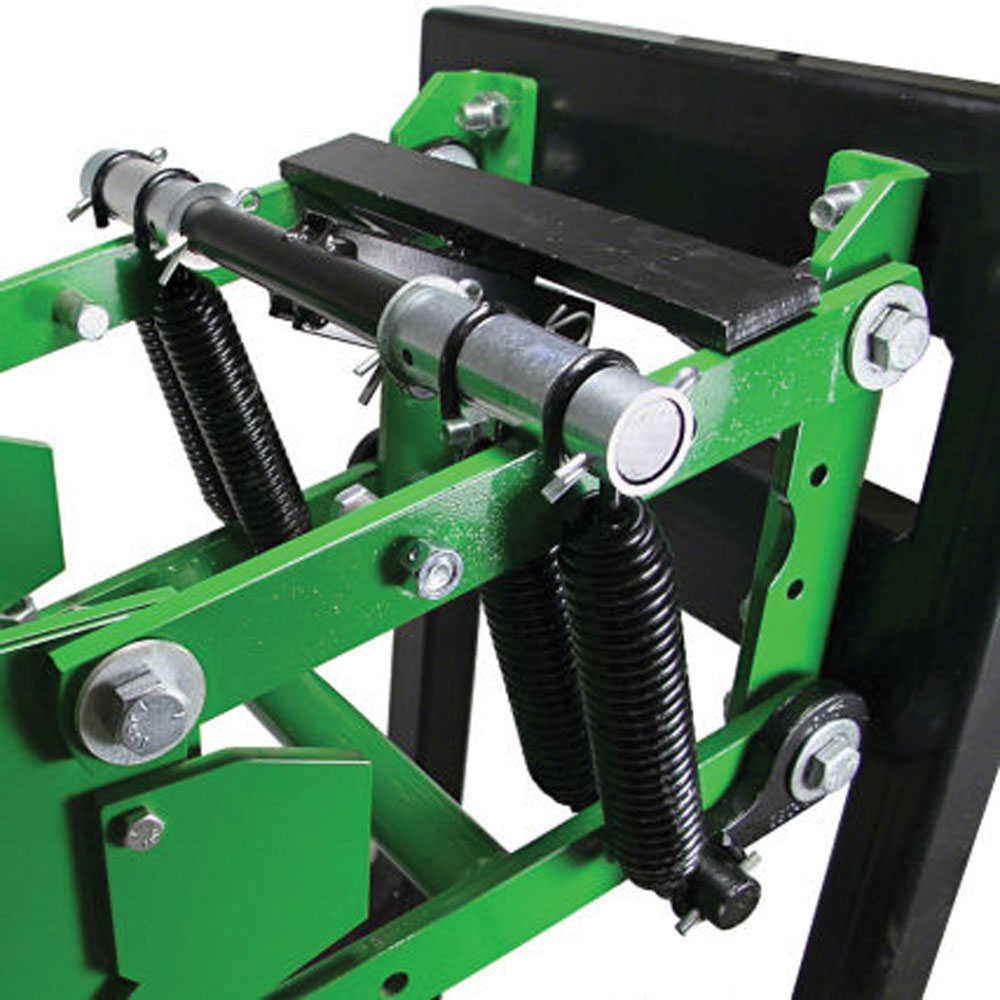
1. Springs
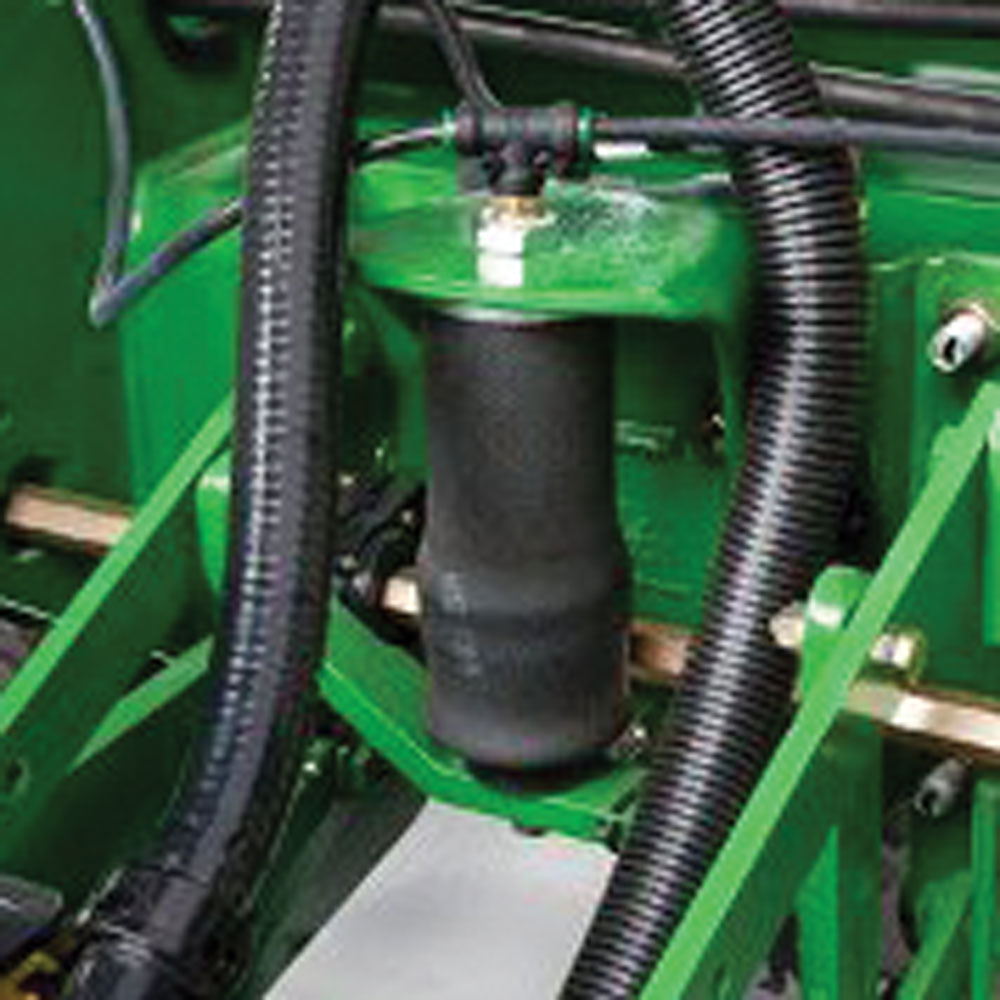
2. Pneumatic air bags
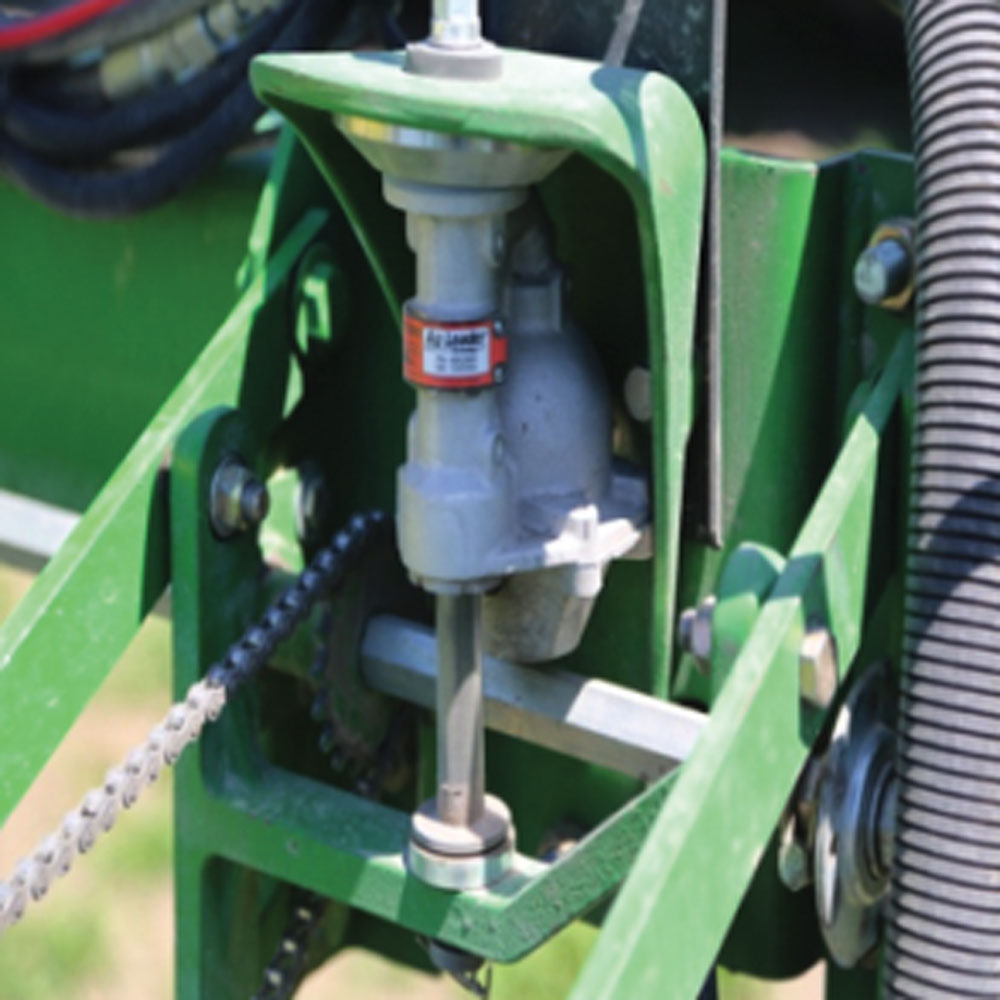
3. Active hydraulic cylinders

No-Till Farmer's "Getting Started With No-Till Farming" is brought to you courtesy of Calmer Corn Heads.
Farmer Invented. Farmer Tested. Farmer Proven.® Calmer boasts this motto proudly as it references our farmer-first mentality and state-of-the art technology.
Calmer offers a custom experience, suited to your farm’s needs. Whether its talking with our experienced sales team or directly with the folks who designed and built your corn head, we are committed to providing you top-notch service without the red tape of a big corporation. Calmer specializes in products suited to benefit your no-till operation including the patented BT Chopper® Stalk Rolls, versatile Corn Head Upgrade Kit for harvest efficiency and residue management, and the High-Performance Concave Upgrade Kit.
We know Calmer products work because we run them on our own farms; that’s why we offer a 100% Satisfaction or Your Money Back Guarantee!