Require Subscription

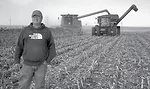
WIL_0111_3.jpg
What I've Learned from No-Tilling

No-Till Farm Success By Staying The Course

Expanding South Dakota family operation uses technology, crop diversity and better equipment to make no-till work in a limited-moisture climate
Ten years ago, when our operation was featured in No-Till Farmer, I told the editors that I would stay with no-tillage regardless of what happened.
Read More
Leverich-3.jpg
No-Till Notes

Keep Weeds Guessing With Herbicide Rotation

Using herbicides with different modes of action and varying the application timing can help no-tillers avoid resistance issues in their fields
With all of our herbicide-tolerant crops, we sometimes get complacent about the importance of rotation to reduce herbicide resistance.
Read More
ShirleyPlantation_2_DSCN0245.jpg

Who Says You Can’t ‘Grow’ New Topsoil?

America’s oldest farming operation is profiting from improved soil quality and no-till cropping on mined land
The Shirley Plantation traces its roots back to 1613 as the oldest continuous farming operation in North America. Charles Carter, the 11th generation of the family, says it has turned into an extremely diversified, highly innovative no-till operation.
Read More
Frank Comments

40 Great No-Till Years

It's coming up on 40 years since we produced the first issue of No-Till Farmer. The first issue that went out in November of 1972 featured reduced-tillage innovators who are still no-tilling today.
Read More
Braddock-1.jpg

Take a Step-By-Step Approach When Converting To No-Till

Cereal rye, vertical tillage and a deliberate, field approach helped Ohio no-tillers Jim and Susie Braddock convert their 2,400-acre farm to no-till
Jim and Susie Braddock are enjoying the benefits of converting their farm to no-till. But the journey to get there wasn’t easy. The Braddocks have invested nearly 20 years converting 90% of their 2,400-acre farm in Fredericktown, Ohio, to no-till.
Read More

Fires Scorch No-Till Profits

A no-tiller’s investment in crop residue can go up in smoke during field fires, but some steps can be taken to soften the blow
As a no-tiller, you know crop residue is crucial to the success of the system. It protects the soil against the forces of wind and water erosion, provides food for earthworms and microorganisms and holds valuable nutrients.
Read More
Frank Comments

Crop Insurance Worries

While cover crops are becoming more popular among no-tillers, you’d better take a closer look at how the practice may impact crop insurance payments. Unfortunately, cover crops could inadvertently terminate your crop insurance coverage.
Read More
246_Ohio-NoTill-Field-Day_DZ_0910-copy.jpg

Ohio Field Day Yields Tips To Enhance No-Till

No-tillers can use liquid manure and cover crops to improve their soil structure and yields if they follow some simple guidelines, experts say.
No tillers have many cover-crop options that can improve soil tilth, warm up temperatures at planting time, manage pest problems and much more, according to experts who spoke to about 100 no-tillers attending the Ohio No-Till Council’s field day earlier this fall.
Read More

Top Articles

Current Issue

NTF-July-2026_BookWithPages_Curl_art-link.png

No-Till Farmer

Get full access NOW to the most comprehensive, powerful and easy-to-use online resource for no-tillage practices. Just one good idea will pay for your subscription hundreds of times over.

Subscribe Now

View More

Must Read Free Eguides

Download these helpful knowledge building tools
View More
Top Directory Listings