 Premium content is for our Digital-only and Premium subscribers. A Print-only subscription doesn't qualify. Please
No-Till Farmer
Get full access NOW to the most comprehensive, powerful and easy-to-use online resource for no-tillage practices. Just one good idea will pay for your subscription hundreds of times over.
Neal Kinsey has heard some people say that the purpose of a soil test is just to point you in the right direction.
“I don’t think that’s good enough,” says the Charleston, Mo., agronomist and fertility expert. “You don’t want to be pointed in the right direction, you want to know what to do.”
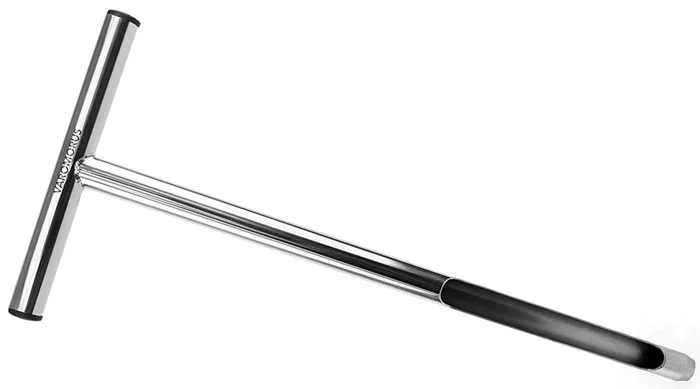
That starts with taking a good soil sample, which means taking it “in such a way that it truly represents the area in question.” If a field has a lot of variation — enough to justify fertilizing different areas separately — then those areas need to be sampled separately.
“If you don’t take the sample right, the answer you get is going to be wrong.”
Think of fertilizing like buying a car, Kinsey says. You can buy a cheap, simple car, or you can buy an expensive fancy sports car. Both will get you where you need to go, but you might end up spending a lot more on features you don’t actually need or skimping on features you should have spent more on.
“You can spend a bunch of money on fertility,” he says. “But what you want to do is put the money where it makes the most difference. Until you have a soil test that will give you that kind of guidance, how do you know what to do?”
Highlighting specific lines from two real-life soil tests, Kinsey explains how an accurate soil test can provide guidance on exactly what is needed to…

Get full access NOW to the most comprehensive, powerful and easy-to-use online resource for no-tillage practices. Just one good idea will pay for your subscription hundreds of times over.
Download these helpful knowledge building tools

We have engineered and developed the most advanced concave system that threshes all crops, eliminates rotor loss, improves grain quality, gives you a cleaner sample – all with one set of XPR concaves.

At Titan International, our product portfolio reflects our commitment to innovation and high-quality products. Titan International offers a full line of solution-focused wheel, tire, and undercarriage products for a wide variety of off-the-road equipment in agriculture, construction, forestry, mining, power sports, high-speed trailers, and outdoor power equipment segments. As one of the largest North American manufacturers, with a network of dealers all over the world, Titan is an industry leader that original equipment manufacturers and operators can count on for durable products and quality service.

Provide expert analysis and decision support to increase productivity and profitability.