Items Tagged with 'potassium'
ARTICLES
No-Till, Strip-Till and Cover Crops Research Journal - March 2026

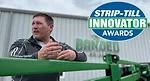
2024 Strip-Till Innovator Develops Banded System for 300-Bushel Yields
Healthy Soil & Best Yields Require a Close-to-Neutral Soil pH
Top Articles
Current Issue
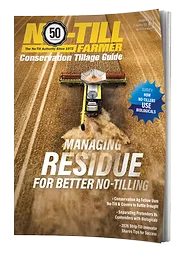
No-Till Farmer
Get full access NOW to the most comprehensive, powerful and easy-to-use online resource for no-tillage practices. Just one good idea will pay for your subscription hundreds of times over.
No-Till & Cover Crops Shine During Dry Growing Season
3 Places Harvest Profits are Hiding in Your Combine
Less Tillage, More Covers Consistently Leads to Lower Costs & Higher Returns
Must Read Free Eguides
Download these helpful knowledge building tools
- How Beneficial Insects, Pollinators Can Boost No-Till Resilience
- How No-Till Improves Your Land Value
- 5 Pillars for No-Till Farming Effectively, Efficiently
- Making the Precision Basics Even Better with Implement Guidance
Videos

No-Till Innovator Keeps Planting Green After 60-Bushel Boost

Estes Performance Concaves
We have engineered and developed the most advanced concave system that threshes all crops, eliminates rotor loss, improves grain quality, gives you a cleaner sample – all with one set of XPR concaves.

Titan International Inc
At Titan International, our product portfolio reflects our commitment to innovation and high-quality products. Titan International offers a full line of solution-focused wheel, tire, and undercarriage products for a wide variety of off-the-road equipment in agriculture, construction, forestry, mining, power sports, high-speed trailers, and outdoor power equipment segments. As one of the largest North American manufacturers, with a network of dealers all over the world, Titan is an industry leader that original equipment manufacturers and operators can count on for durable products and quality service.

Servitech
Provide expert analysis and decision support to increase productivity and profitability.