What’s the best solution to keeping soil in place? Keeping it covered and reducing or eliminating tillage. But if it doesn’t happen, we’ll just fix it with a machine, right?
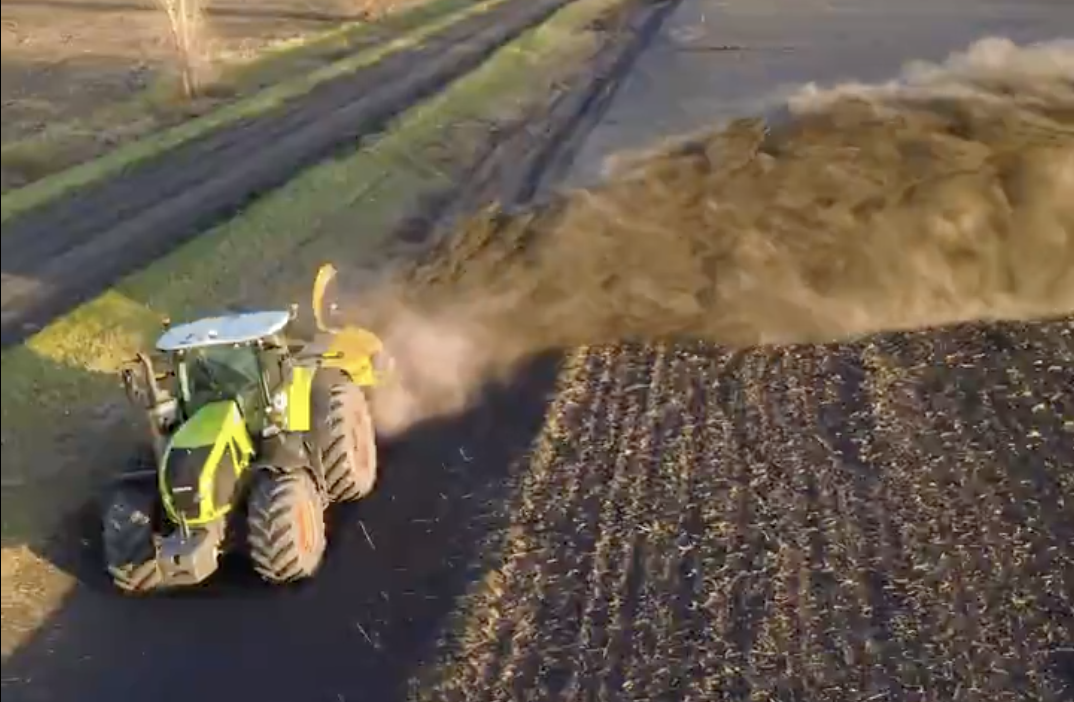
Check out this video. An Elmer’s Mfg. Wolverine Ditcher is being used to eject wind-blown soil back into the field — “distributing it evenly up to 50 feet in a single pass” — the company trumpeted on X. The post has racked up more than 660,000 views in just a week.
This post was only 6 days after a massive dust storm triggered by a Canadian cyclone engulfed the Northern Plains. An unimaginable amount of soil — as well as wheat seed, dry fertilizer, crop residue and plant matter — was lifted and redeposited across North Dakota, South Dakota, Manitoba and Minnesota.
In some places, heavy rains that followed turned windrows of soil into black blobs that made cleanup even more difficult.
So here’s a thought — why not invest in a no-till system and cover crops that are appropriate for the climate and KEEP SOIL IN PLACE? And improve nutrient cycling and water infiltration while you’re at it?
It’s not clear from the video if the soil being relocated by the machine was the farmer’s own soil, or if it blew in from elsewhere. Looking at the field in this video there is not much crop residue protecting the soils surface. Perhaps it blew away or earlier field work displaced it. Either way, there was a problem that had to be deal with.
But there’s no telling what kind of soil type, fertilizer, weed seeds or even bacterial or fungal spores are in that redeposited soil. When you factor in the time, fuel and $30,000 to $75,000 cost for a used or new machine, this doesn’t make much sense.
Most X followers were not impressed with the video and suggested cover crops or wind breaks as a better solution.
As an alternative to the ditcher, “You could work for agriculture that builds soil, to grow vegetation that holds it in place, absorbs moisture instead of engendering dust,” said one X reader. “There would be a lot less need for machinery to battle the glaring symptoms of counterproductive agriculture.”
“Who needs a windbreak or a hedgerow? Just keep throwing dirt around and tilling the same 6 inches of soil until the soybean crop fails!” wrote another reader on X.
It continues to amaze me how our industry rewards and protects farmers who make poor decisions and provides little or no advantage to those who safeguard natural resources.