During a recent event in Iowa, No-Till Farmer got a taste of what farming has been like in Ukraine since the Russian invasion in 2022.
Mike Lessiter, president of Lessiter Media, recently visited the farm of No-Till Innovator Loran Steinlage, who was wrapping up another tour with a group of Ukrainian farmers at his West Union, Iowa operation.
The Sand County Foundation, American Farmland Trust, Farmers National Company, Conservation Districts of Iowa and Practical Farmers of Iowa were on hand a week ago to host a private dinner celebrating the Steinlage family, winners of the Leopold Conservation Award in 2023.
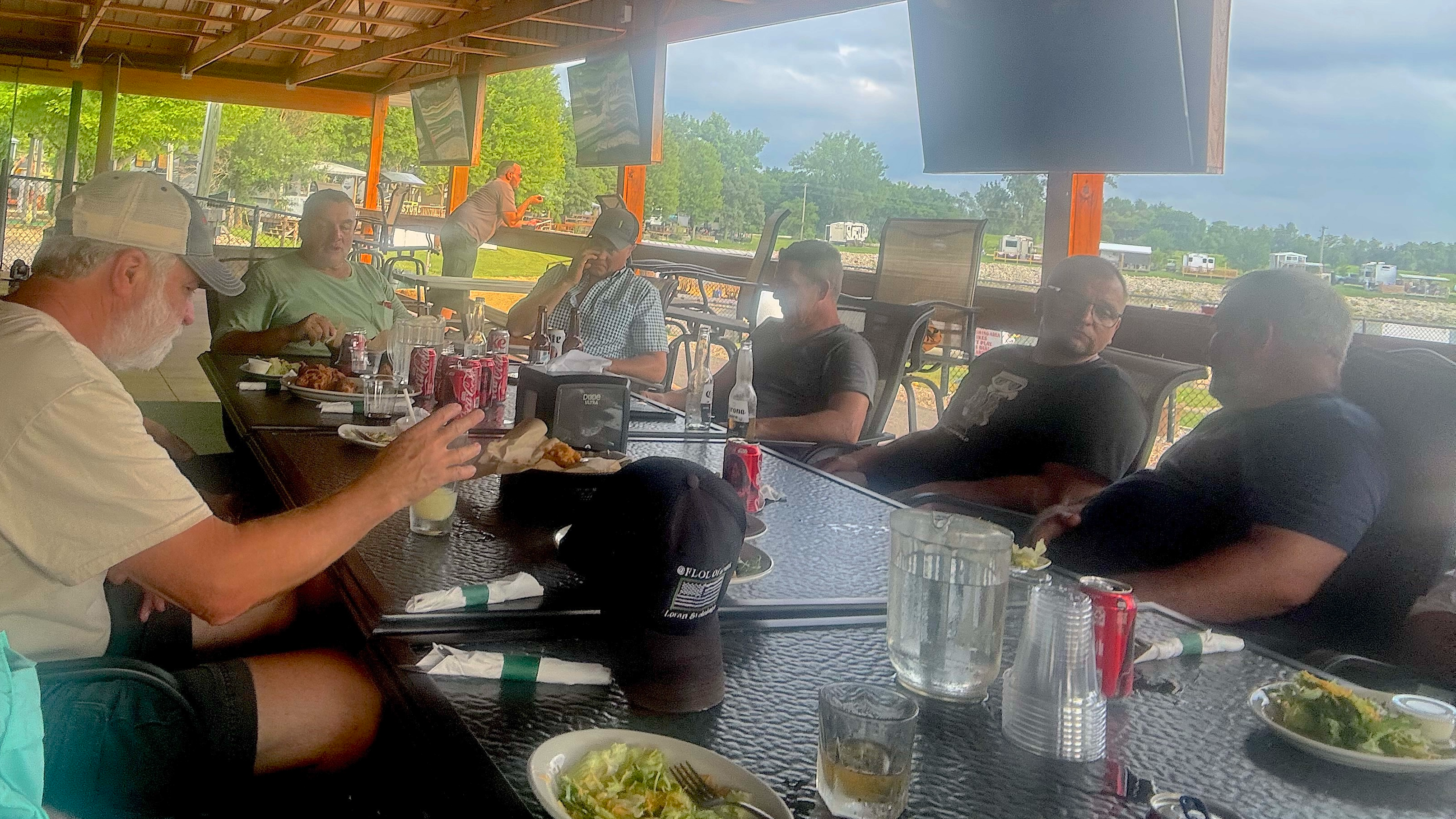 Ukrainian farmers visit No-Till Innovator Loran Steinlage's farmer in West Union, Iowa this summer.
 For the recent group of Ukrainians on hand at the dinner, it was their third trip to the U.S. They would soon leave for visit north-central Kansas to see how growers there handle the dryland climate.
One thing that impressed Steinlage about Ukrainian farmers, even in the face of war in their own country, “is they have the never-die spirit.” Just getting to the U.S. is challenging. After fighting to get travel visas approved, they have an hours-long train ride just to get to an airplane.
“When they’re home they’re constantly under the gun and worried about what's happening next,” Steinlage says.
Not all the visitors are faming in war-stricken areas, although a few are in hotter zones. The last time Steinlage was in Ukraine one farmer relayed he lost four combines in one reason due to landmines — and this was before the current war started.
The impact of the war on Ukraine’s agricultural sector is very real. An article in Farmdoc Daily last December estimated conflict has caused $80 billion in damages and losses to the agricultural sector, including $10 billion in damaged assets, with 57% attributed to machinery and equipment, and $70 billion in losses from lost revenue and increased costs due to the conflict.
NASA estimated Ukraine has lost 5-7 million acres of farmland — equivalent to 7.5% of the country’s total cropland — due to occupation, proximity to active combat zones or contamination with landmines.
Ukraine is the most heavily mined country in the world, with approximately 2 million landmines laid since 2022, contaminating 23% of its territory. Ukraine is exploring the use of technologies such as drones and sensors integrated with AI and machine learning to survey suspected hazardous areas.
Russia has also conducted at least 50 attacks against Ukraine’s export infrastructure in the Black Sea region, damaging over 300 port facilities and 23 civilian vessels, and destroying more than 100,000 metric tons of agricultural products, Farmdoc Daily said.
Steinlage says Ukrainian farmers have been dealing with military threats for more than a decade and the veterans had become almost numb to war.
“But with several guys that I’ve been in contact with since the war started, you can tell fatigue is setting in. They’re tired, they need help, and I’m more than willing to do whatever I can give them access to knowledge. That’s the best way we can help them right now.”
Steinlage is also learning from the Ukrainians: “They were telling us about planting walnut trees. They're using a potato planter to plant walnut trees. Whoever thought of that?
“This is how I keep learning. Iron sharpens iron.”