Require Subscription

EarlyScouting_2.jpg
No-Till Notes

Making Early Summer Scouting Pay

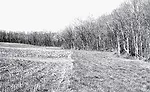
If late planting leads to your no-till crops canopying 2 or 3 weeks later than normal, early weed control is critical.
Now's a great time to head out to your no-till fields and scout for weeds, insects and other pests. Many of you will be putting on your second pass of herbicides and/or applying a second pass where it turned out that the one-pass weed control system wasn’t adequate.
Read More
Muller_1.jpg
What I've Learned from No-Tilling

Strip-Till Handles Soil Challenges

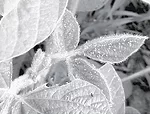
But this grower says you won’t reap the full soil-building benefits of no-till or strip-till for 5 years.
When we decided that we wanted to no-till corn back in 1994, we knew we would face a tough challenge from our cold, wet spring soils. So, my brother Steve and I (with the support of our Dad, Dave) decided to try fall strip-tilling.
Read More

Take Two Cuts In One Pass

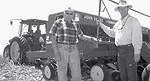
This Washington producer added a second cutter for more effective management of small grains residue.
As Ron Kile began to study how no-till would fit into his farming operation, he had one lingering concern: residue management.
Read More
takingcontrol_tramline1.jpg

Taking Control Of Your Traffic

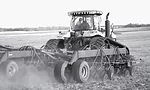
Tramlines are an inexpensive way to control traffic patterns, while controlled traffic has greater long-term benefits for no-tillers.
Research from around the world clearly documents that yield losses occur as a result of equipment passes through the field. Yield reductions occur from either direct damage to the standing crop or from the compacting of the soil, or both.
Read More
Frank Comments

A Different Look At Carbon

While no-tilled crops are widely considered to be among the best ways to sequester carbon, the actual amounts may actually be tied to soil type, soil drainage and soil depth.
Read More
WILBaker_0608_1.jpg
What I've Learned from No-Tilling

Fixing Flaws Of No-Till In Infancy Led To Opener

To establish consistent seed germination, New Zealand’s John Baker learned that protecting soil humidity when planting was a critical need with no-till opener designs.
Some 41 years ago, when a few colleagues and I began what would become a three-decade scientific effort at New Zealand’s Massey University, we did not set out to invent a new no-tillage system.
Read More

Top Articles

Current Issue

NTF-July-2026_BookWithPages_Curl_art-link.png

No-Till Farmer

Get full access NOW to the most comprehensive, powerful and easy-to-use online resource for no-tillage practices. Just one good idea will pay for your subscription hundreds of times over.

Subscribe Now

View More

Must Read Free Eguides

Download these helpful knowledge building tools
View More
Top Directory Listings