Require Subscription

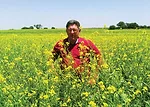
Pollinator_field_borders_Montana_Jennifer_Hopwood_Xerces_Society-1.jpg

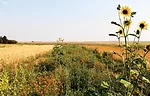
Enlist Pollinators, Predator Insects to Help Fight Pests in No-Tilled Crops

‘Extending the bloom’ with buffer zones, cover crops and native prairie grass strips helps nurture the symbiotic relationship between insects, soils and flowering plants.
In an age of surface-applied insecticides and seed treatments, the importance of beneficial insects and natural pollinators to a thriving agricultural ecosystem can easily be overlooked.
Read More
Bindl-4.jpg
What I've Learned from No-Tilling

Working with At-Risk Soils Leads to Experimentation and No-Till Success

Adding cover crops, winter wheat and making key equipment changes help keep soils in place in Wisconsin’s Driftless Area.
While I only truly count myself as being a no-tiller for the past 8 years since I started farming on my own, I’m no stranger to the practice. Of the 210 acres I farm, all but 38 acres are considered Highly Erodible Lands (HEL). The land my father, Wayne “Buzz” Bindl, farmed was similar and I’m sure this was one of the driving reasons he started no-tilling back in the early 1980s.
Read More
Frank Comments

Making a Case for Winter Canola

With low grain prices and a declining wheat acreage, Guy Swanson believes winter canola could replace a considerable amount of the winter wheat grown in the western U.S. The result could be higher incomes for no-tillers, bonus opportunities for turning out a high-quality product and a dramatic reduction in soil erosion.
Read More

Undercutting Kills Resistant Weeds Without Disturbing Soil Residue

If herbicide-only weed control plans are becoming less effective and more expensive, no-tillers may consider using this minimum tillage tool to keep challenging weeds in check.
When herbicides just won’t kill your weeds anymore — and the cost of multiple herbicide applications is no longer economical — what do you do?
Read More
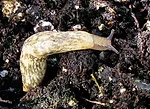
GardenSlug-1.jpg

Tips for Fighting Prolific Slugs and Protecting Your No-Till Crops

Entomologist Kelley Tilmon says rigorous scouting, earlier planting and use of molluscicide baits can help keep slug populations in check.
Slugs are moist creatures that thrive in moist habitats. They require a certain degree of protection and generally like not being disturbed — all conditions that are, unfortunately, prevalent in no-tilled fields, says Kelley Tilmon.
Read More

Top Articles

Current Issue

NTF-July-2026_BookWithPages_Curl_art-link.png

No-Till Farmer

Get full access NOW to the most comprehensive, powerful and easy-to-use online resource for no-tillage practices. Just one good idea will pay for your subscription hundreds of times over.

Subscribe Now

View More

Must Read Free Eguides

Download these helpful knowledge building tools

View More
Top Directory Listings