 Premium content is for our Digital-only and Premium subscribers. A Print-only subscription doesn't qualify. Please
No-Till Farmer
Get full access NOW to the most comprehensive, powerful and easy-to-use online resource for no-tillage practices. Just one good idea will pay for your subscription hundreds of times over.
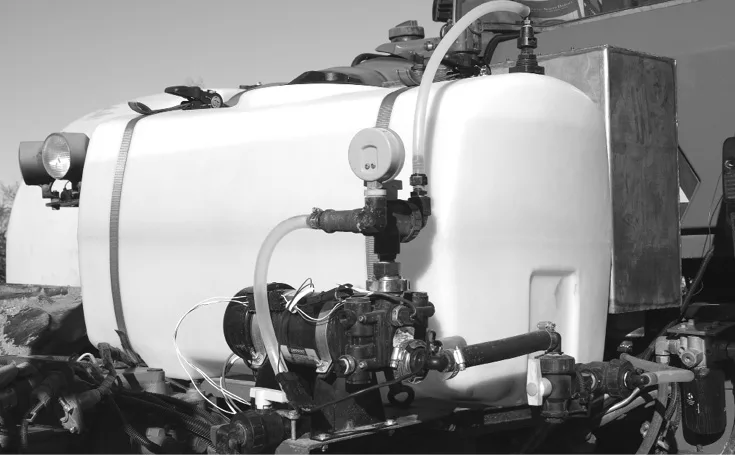
When it comes to equipment, Eric Larson is all about maximizing his investment, no matter what the season. So when he began researching strip-till units, he wanted one that could run in both the spring and fall, and adapt to changing conditions.
Larson and his brother, Carl, farm near Fullerton, N.D. Farming on the Corn Belt’s northern edge can subject them to some challenging growing conditions, from delayed spring planting to fall harvests that can last until the next spring.
“The past two fall seasons, we had about 10 to 15 days to get the fall strips done,” Eric Larson says. “The weather and other harvest duties can spread that over 3 to 4 weeks. We can freeze up any time after mid-October. When we go, we go hard.”
Spring tasks can begin between April 1 and May 1, depending on field conditions. And flooding is always a concern, which also delays spring planting.
They raise a crop rotation of corn, soybeans and pinto beans.
“We basically got into using a strip-till unit to accurately place fertilizer in the row where the corn is growing,” Larson says. “There were two reasons for that.
“We apply a lot of fertilizer in the fall while we are harvesting, because that saves time in the spring. We also have load restrictions on our roads in the spring, so we can’t always haul a lot of liquid fertilizer.”
He’s been incorporating strips into his farming operation for more than a decade.
During…
Get full access NOW to the most comprehensive, powerful and easy-to-use online resource for no-tillage practices. Just one good idea will pay for your subscription hundreds of times over.
Download these helpful knowledge building tools


We have engineered and developed the most advanced concave system that threshes all crops, eliminates rotor loss, improves grain quality, gives you a cleaner sample – all with one set of XPR concaves.

At Titan International, our product portfolio reflects our commitment to innovation and high-quality products. Titan International offers a full line of solution-focused wheel, tire, and undercarriage products for a wide variety of off-the-road equipment in agriculture, construction, forestry, mining, power sports, high-speed trailers, and outdoor power equipment segments. As one of the largest North American manufacturers, with a network of dealers all over the world, Titan is an industry leader that original equipment manufacturers and operators can count on for durable products and quality service.

Provide expert analysis and decision support to increase productivity and profitability.