 Premium content is for our Digital-only and Premium subscribers. A Print-only subscription doesn't qualify. Please
No-Till Farmer
Get full access NOW to the most comprehensive, powerful and easy-to-use online resource for no-tillage practices. Just one good idea will pay for your subscription hundreds of times over.
In farming, it’s the little things that will get you — or add up to more profits if they’re done right.
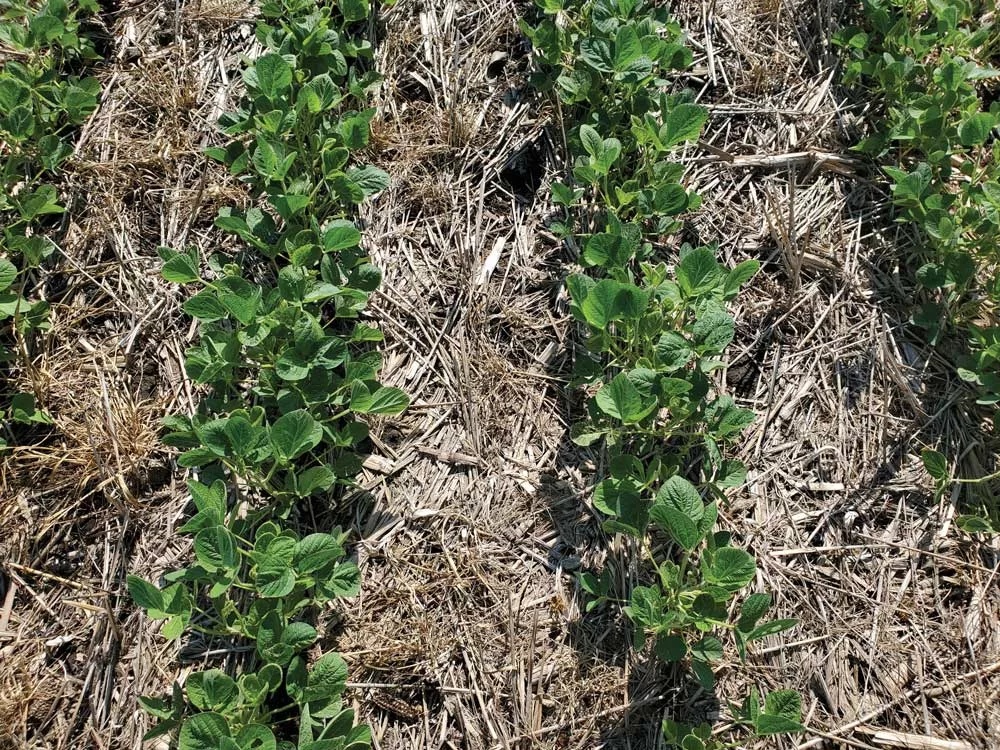
Salem, S.D., farmer Kurt Stiefvater, knows something about that. He started no-tilling 20 years ago to save soil moisture and save more money by reducing the number of tillage passes.
He added small grains and cover crops to the 1,800-acre operation 8 years ago, and those decisions have improved Stiefvater’s yields, soil health and the condition of his cattle herd.
No Hard Formula. Stiefvater has a very short fall season to get cover crops planted, and the weather plays heavily into his selection of which cover crop species for a mix. If a field has more alkali spots, he’ll add barley. He tends to be careful with brassicas and doesn’t use buckwheat much as he doesn’t feel it’s very easy to control.
His 8-10 species cover crop mix typically includes 10 pounds of oats; 12 pounds of winter wheat; 2 pounds of sorghum; 15 pounds of soybeans; 1 pound of red clover; 2 pounds of sunflowers; ½ pound of flax; ½ pound of turnip; and ½ pound of radish. He might also throw in rye, legumes, millet or common vetch.
In addition to the weather, Stiefvater looks at the different characteristics of…

Get full access NOW to the most comprehensive, powerful and easy-to-use online resource for no-tillage practices. Just one good idea will pay for your subscription hundreds of times over.
Download these helpful knowledge building tools

We have engineered and developed the most advanced concave system that threshes all crops, eliminates rotor loss, improves grain quality, gives you a cleaner sample – all with one set of XPR concaves.

At Titan International, our product portfolio reflects our commitment to innovation and high-quality products. Titan International offers a full line of solution-focused wheel, tire, and undercarriage products for a wide variety of off-the-road equipment in agriculture, construction, forestry, mining, power sports, high-speed trailers, and outdoor power equipment segments. As one of the largest North American manufacturers, with a network of dealers all over the world, Titan is an industry leader that original equipment manufacturers and operators can count on for durable products and quality service.

Provide expert analysis and decision support to increase productivity and profitability.