 Premium content is for our Digital-only and Premium subscribers. A Print-only subscription doesn't qualify. Please
No-Till Farmer
Get full access NOW to the most comprehensive, powerful and easy-to-use online resource for no-tillage practices. Just one good idea will pay for your subscription hundreds of times over.
John Stigge knew something wasn’t right when the cereal rye he drilled into a moistened field didn’t come up — even after irrigating the field twice to a depth of 1 inch.
The irrigated rye should have been a “slam dunk” for fall grazing, he says, but the rye did nothing in the fall, causing an untimely reduction in options for grazing for his cows and calves.
“When I questioned the regional seed dealer he finally admitted he had no idea what variety he had. He said, ‘Rye is rye, as far as I can tell,’” Stigge recalls. “I’ve found that the variety of cover crop is more important than the type of seed itself. I couldn’t rely on the suppliers for information because I knew more than they did.”
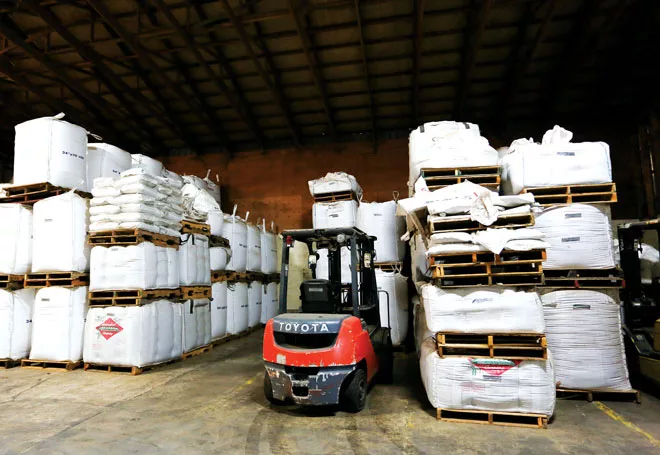
As adoption of cover crops in the U.S. has nearly tripled since 2010, the number of companies selling seed to farmers has also increased. Even though much of the evidence is anecdotal, some observers say complaints about cover crop seed quality and variety issues are increasing.
Companies selling cover crop seed in the small-seed industry aren’t required to certify their product and are mostly free to procure and market seed as they see…

Get full access NOW to the most comprehensive, powerful and easy-to-use online resource for no-tillage practices. Just one good idea will pay for your subscription hundreds of times over.
Download these helpful knowledge building tools

We have engineered and developed the most advanced concave system that threshes all crops, eliminates rotor loss, improves grain quality, gives you a cleaner sample – all with one set of XPR concaves.

At Titan International, our product portfolio reflects our commitment to innovation and high-quality products. Titan International offers a full line of solution-focused wheel, tire, and undercarriage products for a wide variety of off-the-road equipment in agriculture, construction, forestry, mining, power sports, high-speed trailers, and outdoor power equipment segments. As one of the largest North American manufacturers, with a network of dealers all over the world, Titan is an industry leader that original equipment manufacturers and operators can count on for durable products and quality service.

Provide expert analysis and decision support to increase productivity and profitability.