The wet weather in some areas has made it difficult for timely herbicide applications, but it can also affect herbicide residual activity and potential crop injury issues.
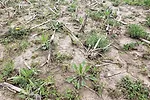
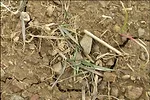
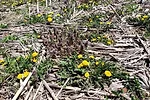
Before burndown herbicide programs are considered, it is best to know what weeds you are targeting to best determine what products to use and when to apply them for optimum performance, says Penn State University Extension.
Various factors can greatly impact burndown herbicide effectiveness. Below are some considerations when applying burndown herbicides this spring to control weeds and terminate cover crops.
Begin spraying when possible, says Penn State University Extension, as fields with a high density of winter annuals may benefit from the burndown now to conserve soil moisture which is almost always a problem later.
And with the changing of the seasons, farmers and applicators are getting anxious to get some field work done. However, it might be best to wait if the crop has been injured by winter weather, says Penn State University Extension.
Thoroughly consider the possible reasons for the symptoms before you draw conclusions. Here is a summary of the potential for herbicide injury and the associated symptoms.
As planting season approaches, here are a few best management practices for starting clean in fields with winter cereals that will be harvested for forage or cover crops that will be terminated ahead of planting.
Knowing what weeds are causing problems and understanding that in some cases multiple trips across the field for better weed control during the growing season might be more economical in the long run, in order to ultimately protect and improve crop yields.
Residual herbicide considerations in the burndown during droughty periods, spraying during windy conditions, and problems with spraying near vineyards and sensitive areas.
Dry weather can affect both soil-applied and postemergence herbicide performance. All soil-applied herbicides require rainfall to mobilize them for effective weed control.
Get full access NOW to the most comprehensive, powerful and easy-to-use online resource for no-tillage practices. Just one good idea will pay for your subscription hundreds of times over.
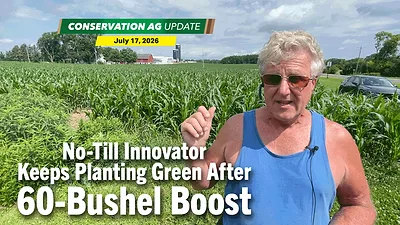
On this episode of Conservation Ag Update, brought to you by Titan International, we catch up with young Kentucky no-tiller Quint Pottinger to see how he autonomously planted his entire crop in 2026. Senior editor John Dobberstein checks in from the CTIC Conservation in Action Tour in Scotland Neck, N.C., where no-tiller Zeb Winslow III talks about his multi-species cover crop program.
We have engineered and developed the most advanced concave system that threshes all crops, eliminates rotor loss, improves grain quality, gives you a cleaner sample – all with one set of XPR concaves.
At Titan International, our product portfolio reflects our commitment to innovation and high-quality products. Titan International offers a full line of solution-focused wheel, tire, and undercarriage products for a wide variety of off-the-road equipment in agriculture, construction, forestry, mining, power sports, high-speed trailers, and outdoor power equipment segments. As one of the largest North American manufacturers, with a network of dealers all over the world, Titan is an industry leader that original equipment manufacturers and operators can count on for durable products and quality service.