 Premium content is for our Digital-only and Premium subscribers. A Print-only subscription doesn't qualify. Please
No-Till Farmer
Get full access NOW to the most comprehensive, powerful and easy-to-use online resource for no-tillage practices. Just one good idea will pay for your subscription hundreds of times over.
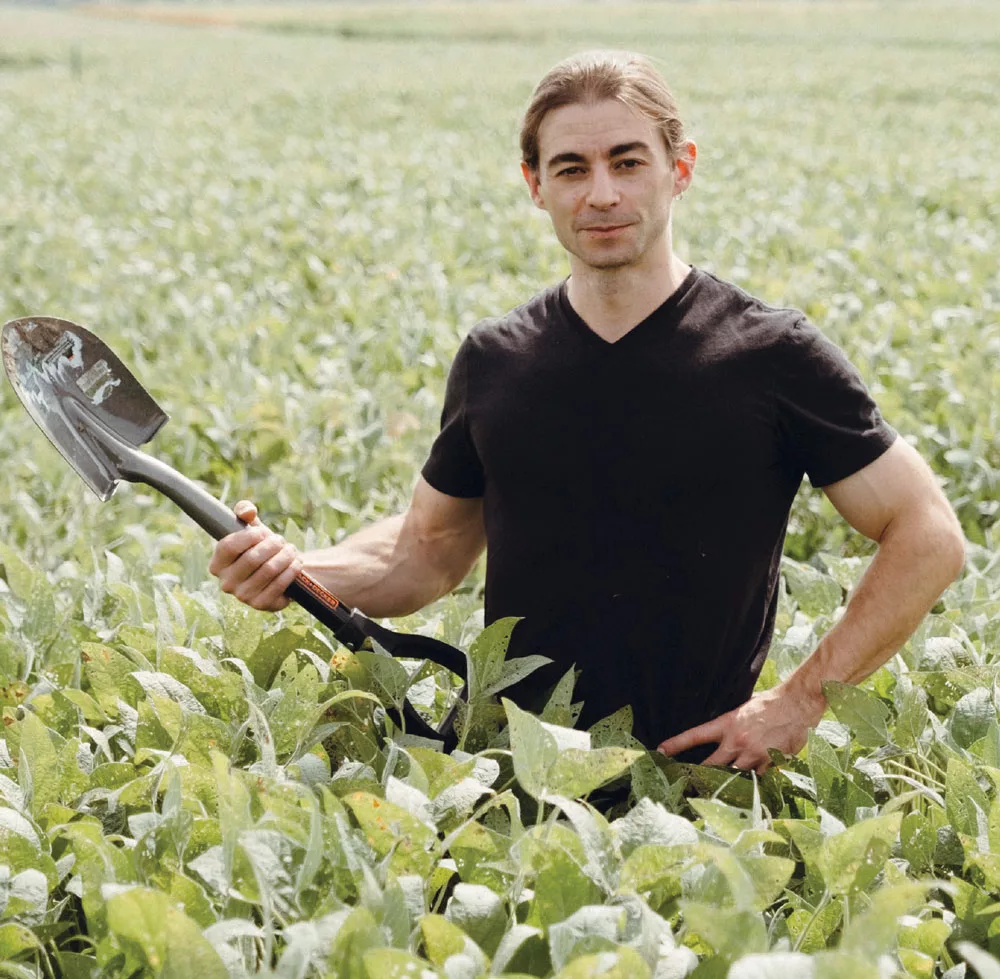
SOIL HEALTH STUDY. A 3-site study involving the Illinois Soybean Assn. looks for the intersection of tillage effects, no-till, cover crops and soil health. After 2 years of the 4-year study, researchers offer interesting economic insights for the use of no-till and the relevance of early testing for soil health changes after adopting conservation measures. Univ. of Illinois
It’s natural for growers who are adopting regenerative agriculture practices to desire improvement in soil health as soon as possible. But researchers at the Univ. of Illinois say just as yield increases sometimes take years to see after adopting new practices, so do test results for soil metabolism.
Soil scientist Andrew Margenot says a recent 2-year mid-point appraisal of a 4-year Illinois-based project exploring soil respiration tests as indicators of soil health so far present a mixed bag of results.
Margenot, who directs the university’s soils lab and leads a research team of more than 40 students and other researchers, explains plot work at 2 sites in rich, deep northern Illinois soils — and also in what he calls “timber soils” in the southern region not affected by historic glaciation — shows it likely takes more than 2 years for lab results to show significant soil health changes.
The study, done in collaboration with the Illinois Soybean Assn., involves comparisons of tillage vs. no-till and cereal rye cover crops, or no cover crop, on plots in a corn-soybean rotation, corn double-cropped, and wheat, and soybean.
The Illinois test sites are located near Monmouth in the northwest, near UI campus in east-central, and near Carbondale in the south. The northern-most sites…

Get full access NOW to the most comprehensive, powerful and easy-to-use online resource for no-tillage practices. Just one good idea will pay for your subscription hundreds of times over.
Download these helpful knowledge building tools

We have engineered and developed the most advanced concave system that threshes all crops, eliminates rotor loss, improves grain quality, gives you a cleaner sample – all with one set of XPR concaves.

At Titan International, our product portfolio reflects our commitment to innovation and high-quality products. Titan International offers a full line of solution-focused wheel, tire, and undercarriage products for a wide variety of off-the-road equipment in agriculture, construction, forestry, mining, power sports, high-speed trailers, and outdoor power equipment segments. As one of the largest North American manufacturers, with a network of dealers all over the world, Titan is an industry leader that original equipment manufacturers and operators can count on for durable products and quality service.

Provide expert analysis and decision support to increase productivity and profitability.