 Premium content is for our Digital-only and Premium subscribers. A Print-only subscription doesn't qualify. Please
No-Till Farmer
Get full access NOW to the most comprehensive, powerful and easy-to-use online resource for no-tillage practices. Just one good idea will pay for your subscription hundreds of times over.
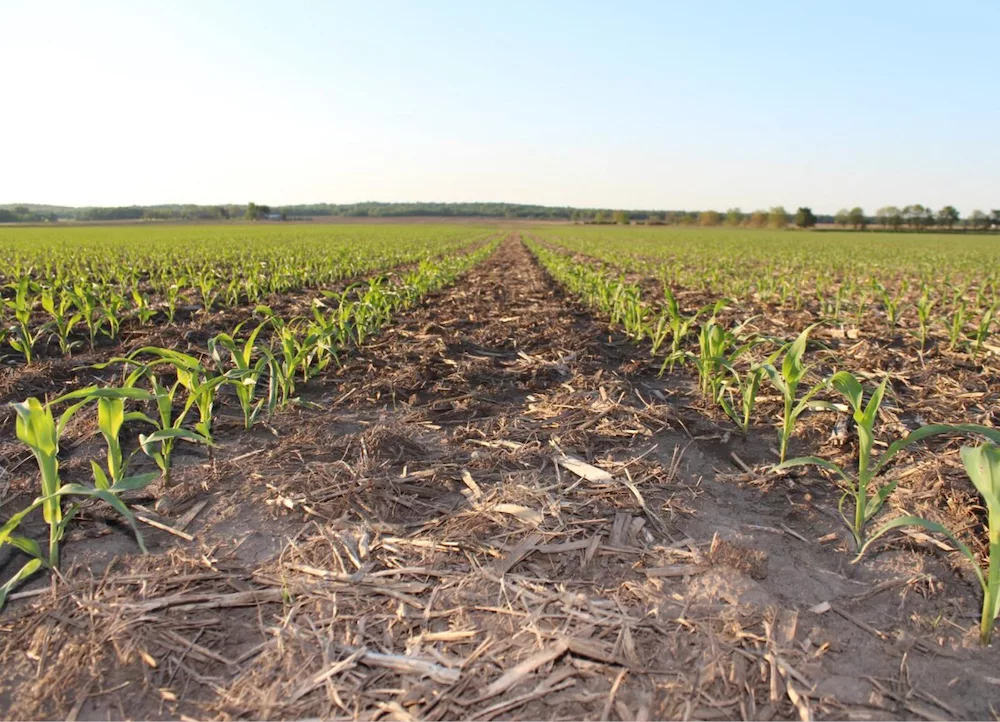
As a veteran farm magazine editor told me years ago, no-tillers have such a good thing going economically, why do they get so discouraged when neighbors refuse to switch to less tillage? Despite the fact that no-till offers tremendous economic and environmental benefits, many growers still shy away from the practice.
Data from the 2012 Census of Agriculture show 279 million U.S. tillable acres. Some 96 million acres were no-tilled and 77 million acres were farmed with more intensive conservation-tillage practices. That left 106 million acres still being farmed with conventional tillage.
Over the past 5 decades, no-till has grown from 3.3 million acres in 1972 to more than 100 million acres today. Most farmers who have moved to no-till have done so without government payments or incentives. It’s because they’ve simply recognized that no-till can result in much higher net returns.
So what would it take to convince farmers using a moldboard plow, chisel plow, field cultivator or disc system to make the switch to no-till? That’s the question Nicole Widmar, a Purdue University economist, and Ben Gramig, a University of Illinois economist, set out to determine.
They found Indiana farmers using a more intensive conservation tillage system wanted a guarantee of increased net revenue of $10 per acre to make the switch to no-till. This jumped to $40 per acre before growers would be willing to switch from conventional tillage to no-tillage.
Even with guaranteed incentives, farmers wanted to know where the money comes…
Get full access NOW to the most comprehensive, powerful and easy-to-use online resource for no-tillage practices. Just one good idea will pay for your subscription hundreds of times over.
Download these helpful knowledge building tools

We have engineered and developed the most advanced concave system that threshes all crops, eliminates rotor loss, improves grain quality, gives you a cleaner sample – all with one set of XPR concaves.

At Titan International, our product portfolio reflects our commitment to innovation and high-quality products. Titan International offers a full line of solution-focused wheel, tire, and undercarriage products for a wide variety of off-the-road equipment in agriculture, construction, forestry, mining, power sports, high-speed trailers, and outdoor power equipment segments. As one of the largest North American manufacturers, with a network of dealers all over the world, Titan is an industry leader that original equipment manufacturers and operators can count on for durable products and quality service.

Provide expert analysis and decision support to increase productivity and profitability.